Galvanized Wire: Hot-Dip vs Electro Galvanized, Sizes, Zinc Coating and How to Buy
Galvanized wire buying guide: hot-dip vs electro, BWG sizes, zinc coating, tensile strength, coil packing and price per ton. Quote in 24 hours.
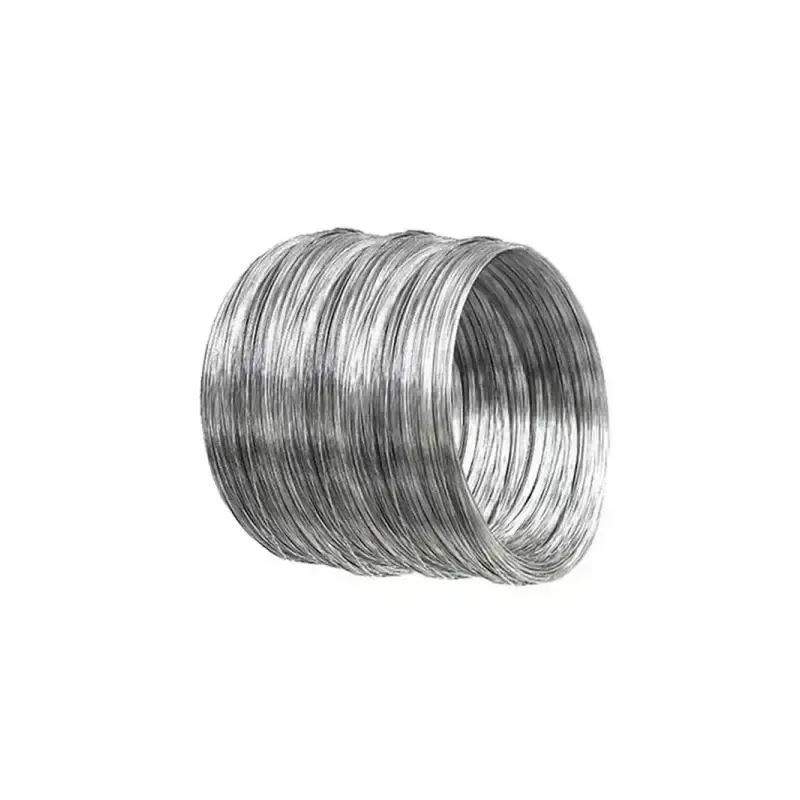
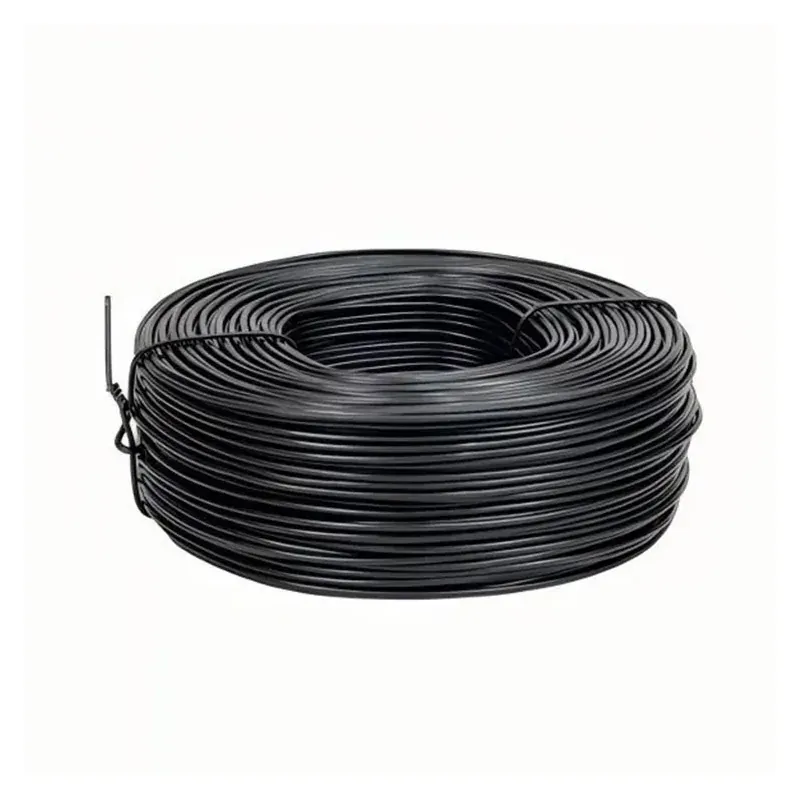
Galvanized wire is mild steel wire coated with zinc so it resists rust in outdoor and humid conditions. It is used for fencing, gabion and mesh, construction tying, agriculture, packaging and general fabrication. Two coils can look identical on the outside and behave completely differently on site, because the zinc coating, wire diameter, tensile strength and coil packing all change how long the wire lasts and how it runs on your machine.
This guide explains the difference between hot-dip and electro galvanized wire, how BWG sizes work, what zinc coating weight to specify, and what to send us for an accurate price per ton. If you already know your specification, send it to us and we will quote within 24 hours.
What galvanized wire is and how it is made
Galvanized wire starts as low carbon steel wire rod, usually Q195 or Q235, which is pickled, drawn down to the required diameter through a series of dies, then coated with zinc. The coating is applied in one of two ways:
- Hot-dip galvanizing — the drawn wire passes through molten zinc at around 450°C, forming a metallurgically bonded zinc-iron alloy layer.
- Electro galvanizing — zinc is deposited electrolytically at room temperature, producing a thin, smooth, bright coating.
After coating, the wire is wound into coils, spools or big coils according to the customer's packing requirement. Both types are supplied to ASTM A641, EN 10244-2 or GB/T 343 depending on the market.
Hot-dip galvanized wire vs electro galvanized wire
| Property | Hot-dip galvanized wire | Electro galvanized wire |
|---|---|---|
| Zinc coating | 40–300 g/m², usually 60–120 g/m² | 8–40 g/m², usually 10–25 g/m² |
| Appearance | Slightly rougher, matte to semi-bright | Smooth, bright, uniform |
| Corrosion resistance | High — years of outdoor service | Moderate — indoor or short-term outdoor |
| Cost | Higher per ton | Lower per ton |
| Best for | Fencing, gabion, outdoor mesh, coastal areas | Binding, packaging, indoor mesh, wire products |
| Weldability | Good, but zinc fume needs extraction | Good |
The practical rule: if the wire will stay outdoors for years, specify hot-dip. If it is used indoors or converted quickly into a coated product, electro galvanized is usually enough.
Many buyers ask for "galvanized wire" without saying which process. That single omission is the most common reason a quotation comes back at two very different prices.
Wire diameter and BWG sizes
Galvanized wire is ordered by diameter in millimetres, or by Birmingham Wire Gauge (BWG). The two are not interchangeable and the gauge numbers run in the opposite direction to the diameter — a higher BWG number means thinner wire.
| BWG | Diameter (mm) | Typical use |
|---|---|---|
| 8 | 4.19 | Heavy fencing, gabion frames |
| 10 | 3.25 | Fencing, mesh, tying |
| 12 | 2.64 | Fencing, concrete tying |
| 14 | 2.03 | Mesh, agriculture |
| 16 | 1.63 | Binding, light mesh |
| 18 | 1.22 | Binding wire, baling |
| 20 | 0.91 | Fine mesh, tying |
| 22 | 0.71 | Fine mesh, weaving |
We supply galvanized wire from 0.5 mm to 5.0 mm, with diameter tolerance typically ±0.02 mm to ±0.05 mm depending on size. Always state both the gauge and the millimetre equivalent if your drawing uses BWG, so there is no confusion at production.
Zinc coating weight and service life
Zinc coating is measured in grams per square metre (g/m²) or in microns. It is the single biggest factor in how long galvanized wire lasts outdoors.
- 20–40 g/m² — light protection, indoor or short-term use
- 60–80 g/m² — general fencing and binding, moderate climate
- 100–150 g/m² — outdoor fencing, agriculture, construction
- 200–300 g/m² — coastal, industrial or high-humidity environments
Two wires with the same diameter but different coating weights can differ in price by 10–20%. If a supplier quotes only "galvanized", ask for the coating weight in g/m² and the standard it is tested to.
Tensile strength and elongation: match the wire to the machine
Tensile strength determines how much pull the wire takes before it breaks; elongation determines how far it stretches before breaking. Both matter depending on the end use:
- Binding and tying wire — soft, 350–500 MPa, good elongation so it ties without snapping.
- Fencing and mesh — 450–650 MPa, enough stiffness to hold shape.
- Gabion and heavy mesh — 550–800 MPa depending on the structure.
- Spring and high-strength applications — above 800 MPa, usually not galvanized mild steel.
If the wire is going into an automatic mesh welding machine or a barbed wire line, tell us the machine type and line speed. Wire that is too soft will deform in the feeder; wire that is too hard will crack at the weld.
Common applications for galvanized wire
- Fencing — chain link, welded mesh, barbed wire, field fence
- Gabion and erosion control — woven baskets and mattresses
- Construction — tying rebar, formwork, precast elements
- Agriculture — vineyard trellis, orchard support, greenhouse frames
- Packaging — baling, carton strapping, bundling
- Wire products — coat hangers, baskets, racks, display stands
- Mesh and filtration — welded mesh, hexagonal mesh, insect screen
Coil weight, spool and packing
Packing affects both handling cost and the price per ton:
- 10 kg / 25 kg / 50 kg coils — standard for hardware and retail distribution
- 25 kg plastic or wooden spools — for automatic feeding and export
- 100–500 kg big coils — for factories that draw or weave in house
- Palletised or wooden case packing — for long sea freight and multiple handling
Tell us the coil weight, inner diameter and whether you need labels, and we will match the packing to your unloading equipment.
What drives the galvanized wire price per ton
Four factors move the price more than anything else:
- Zinc coating weight — more zinc means more cost.
- Wire diameter — thinner wire costs more per ton to draw.
- Tensile strength and grade — higher strength needs better rod.
- Packing and coil weight — spools and small coils add labour and material.
Zinc and steel prices also move weekly. If you are planning a container, ask for a quotation with a validity period rather than a single number.
Quality checks before shipment
Every order can be supplied with:
- Diameter and tolerance check
- Zinc coating weight test (g/m²)
- Tensile strength and elongation report
- Surface inspection for cracks, slivers and bare spots
- Coil weight and packing check
- Mill test certificate and third-party inspection such as SGS on request
If you need a pre-shipment inspection by your own agent, tell us at the order stage so we can schedule production accordingly.
Common buying mistakes
- Ordering "galvanized wire" without specifying hot-dip or electro.
- Quoting by BWG only, without the millimetre equivalent.
- Ignoring zinc coating weight, then finding the wire rusts in the first season.
- Choosing the cheapest coil weight, then losing time on the packing line.
- Not telling the supplier which machine the wire will run on.
- Forgetting the destination port and shipment terms when comparing prices.
Frequently asked questions
What is the difference between hot-dip and electro galvanized wire?
Hot-dip wire is coated in molten zinc and carries a thicker, alloy-bonded layer, typically 40–300 g/m². Electro galvanized wire is plated and usually carries 8–40 g/m². Hot-dip lasts longer outdoors; electro is smoother, brighter and cheaper.
Which galvanized wire is best for fencing?
For outdoor fencing, hot-dip galvanized wire with 100–150 g/m² zinc coating and 2.0–3.25 mm diameter is the usual choice. Coastal or industrial sites should move to 200 g/m² or more.
What does BWG 18 mean?
BWG 18 means Birmingham Wire Gauge number 18, which corresponds to about 1.22 mm diameter. Always confirm the millimetre equivalent, because gauge tables differ slightly between standards.
How much does galvanized wire cost per ton?
It depends on diameter, zinc coating, tensile strength, packing and the current zinc price. Send the full specification and quantity and we will quote within 24 hours with a clear validity period.
Can you supply galvanized wire in custom coil weights?
Yes. Standard coils are 10 kg, 25 kg and 50 kg, and we also supply 100–500 kg big coils and 25 kg spools. Custom labels and pallet packing are available.
What is the HS code for galvanized wire?
Galvanized steel wire is usually classified under HS 7217.20. Confirm with your customs broker for your country and product description.
What to send us for a quotation
To quote accurately we need:
- Hot-dip or electro galvanized
- Wire diameter in mm or BWG
- Zinc coating weight in g/m²
- Tensile strength or end use
- Coil weight, spool or big coil
- Quantity in tons and destination port
- Any standard or certificate requirement
Next step
See our Low Carbon Galvanized Steel Wire for the full specification range, or read about galvanized steel pipe if your project also needs tube.
Email joy@ayyehui.com, message WhatsApp or WeChat on +86 173 3729 6907, or send an enquiry with your wire specification and quantity. We reply with price, lead time and packing options within 24 hours.