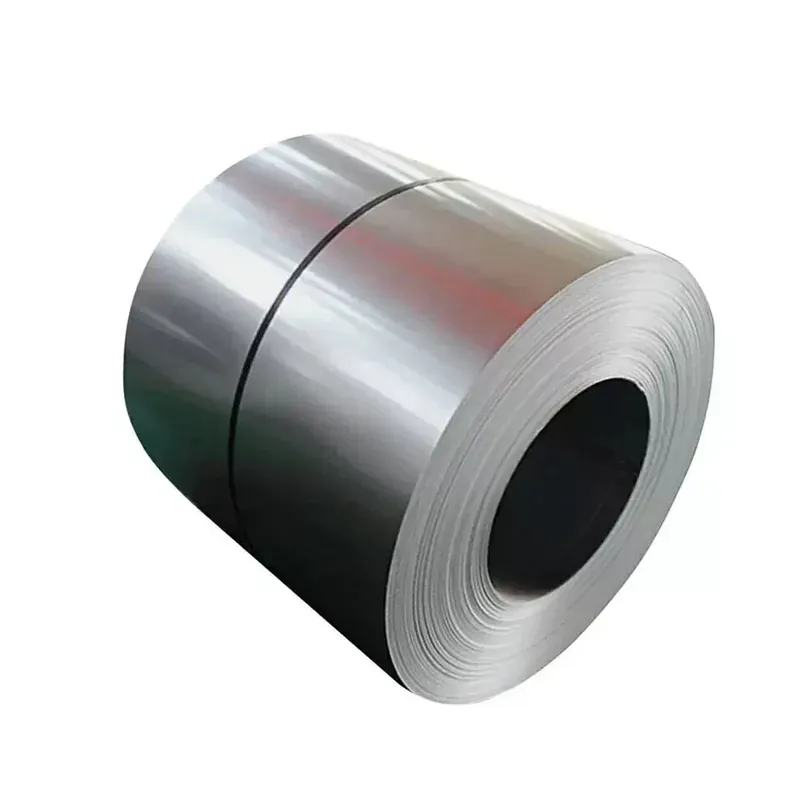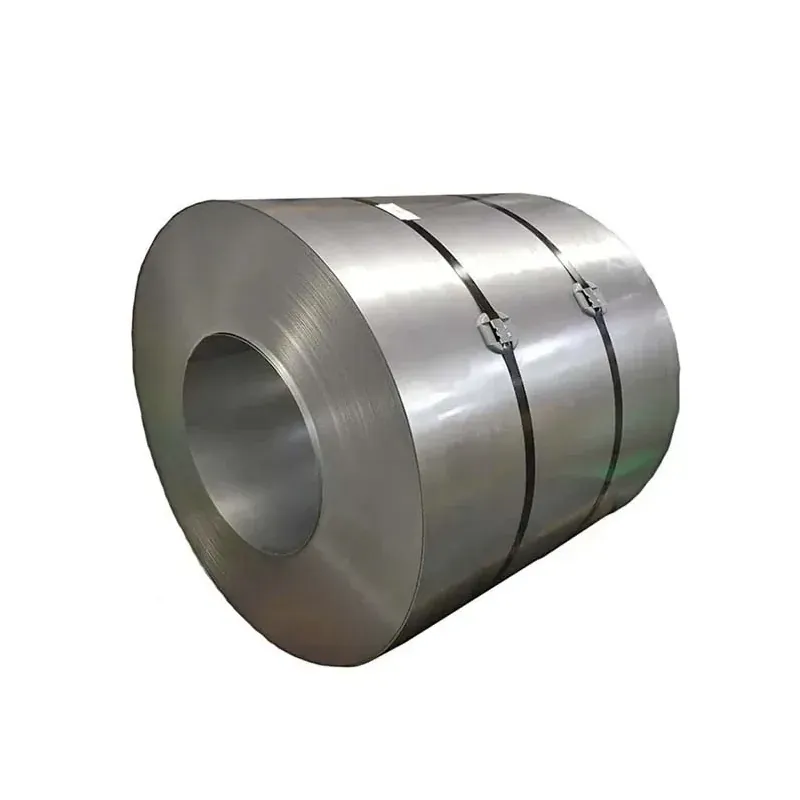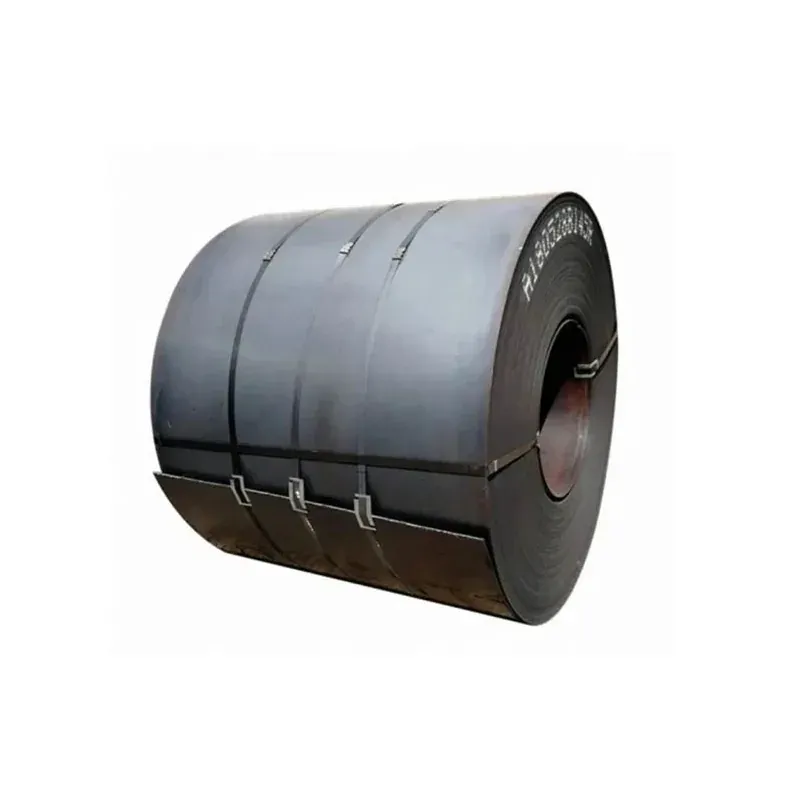
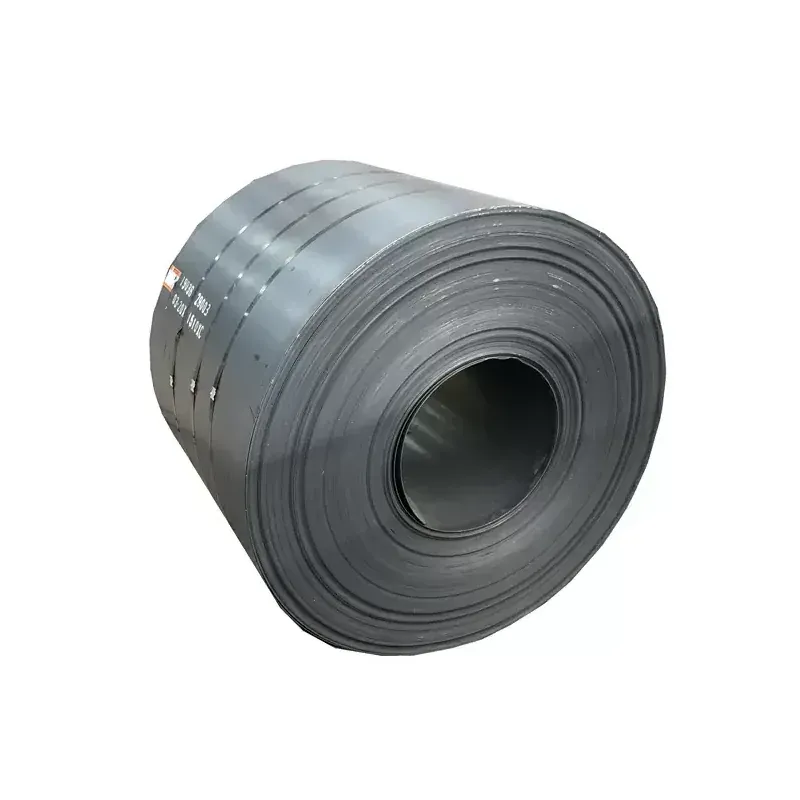
Carbon Steel Coil
A36 Hot Rolled Carbon Steel Coil
A36 hot rolled carbon steel coil in multiple grades, widths and finishes for construction, machinery, shipbuilding and industrial use.
A36 Hot Rolled Carbon Steel Coil, compliant with ASTM A36/A36M standards, is a versatile low-carbon structural steel renowned for its excellent formability and cost efficiency. Composed of ≤0.25% carbon and 0.80-1.20% manganese, it delivers yield strength ≥250MPa and tensile strength 400-550MPa with outstanding elongation (≥20%), enabling seamless welding and cold processing. Manufactured through hot-rolling processes, it ensures dimensional precision and surface quality, ideal for construction frameworks, bridges, machinery components, and pressure vessels.
Key Attributes
Product name | Product name | Product name | A36 Hot Rolled Carbon Steel Coil |
Grade | Grade | Grade | Q195, Q215, Q235, Q255, Q275, Q345, Q355, SS400, ST37, ST52, S235JR, A36, S235JR etc. |
Standard | Standard | Standard | AISI, ASTM, DIN, JIS, GB, SUS, EN, etc. |
Width | Width | Width | 600mm–2500mm or as required by customer |
Thickness | Thickness | Thickness | 1mm–25mm or as required by customer |
Surface treatment | Surface treatment | Surface treatment | Nude, black, oiled, sandblasted, painted, coated or according to your requirements |
Technology | Technology | Technology | Hot rolling, cold rolling |
Application | Application | Application | Construction, machinery manufacturing, container manufacturing, shipbuilding, bridges, etc. |
Product Details
Hot rolled steel coil is made of slab (mainly continuous casting slab) as raw material, which is rolled into strip steel by rough rolling and finishing mill after high temperature heating, and finally rolled into coil by coiler. Its production process includes heating, rolling, cooling and finishing, and the temperature is usually above 1000°C, so that the steel grain structure is uniform and the plasticity is good, which is convenient for subsequent processing.
Hot rolled steel coil has high strength, high toughness and good weldability, and the surface retains iron oxide scale (commonly known as "black scale"), with a thickness range of 1-25mm and a width of 600-2500mm. Its advantages are low cost and excellent processing performance. It can be further processed into cold rolled products or the surface quality can be improved through galvanizing, coating and other processes.
Benefits of Hot Rolled Carbon Steel Coil
- High strength and good toughness: Hot-rolled steel coils have high cold deformation ability, giving them high strength and excellent impact toughness. This makes them very suitable for applications that need to withstand large loads and pressures, such as building structures, bridges, ships and railways.
- Good plasticity: Hot-rolled steel coils are easy to make into parts of various complex shapes through bending, stretching, stamping and other processing methods, and are widely used in manufacturing, especially in the automobile industry for body outer panels and chassis components.
- Excellent surface quality: The surface of hot-rolled steel coils is usually smooth and flat, without obvious defects. Although scale is produced during hot rolling, it is usually removed during subsequent processing.
- Easy to weld: Hot-rolled steel coils have good welding performance and can be firmly connected to other materials or parts, making them widely used in steel structure buildings, bridges and ships.
- High production efficiency and low cost: The hot rolling process has fewer steps and lower energy consumption, giving hot rolled steel coils a significant price advantage in the market.
- Various specifications: Thickness, width and length can be customized according to the customer's specific requirements.
Application of Hot Rolled Carbon Steel Coil
- Building structure: Used to manufacture the skeleton of building structures, such as steel beams and steel columns.
- Bridge construction: Used to manufacture main beams and support structures, ensuring safety and durability.
- Machinery manufacturing: Used to manufacture gears, shafts, bearings and other mechanical parts.
- Automobile manufacturing: Used for body, chassis and engine components.
- Shipbuilding: Used to make hull structures, decks and bulkheads.
- Pipeline engineering: Used to manufacture oil and gas pipelines.
- Other applications: Pressure vessels, storage tanks, railway tracks, etc.