Sep 22, 2026Buying Guides
Cold Rolled Steel Coil: Grades, Thickness, Surface Finish and Applications
Cold rolled steel coil is ordered by grade, thickness, width and surface finish. This guide covers SPCC, SPCD, SPCE, DC01 and ST12 coil, thickness tolerance and what to send for a quote.
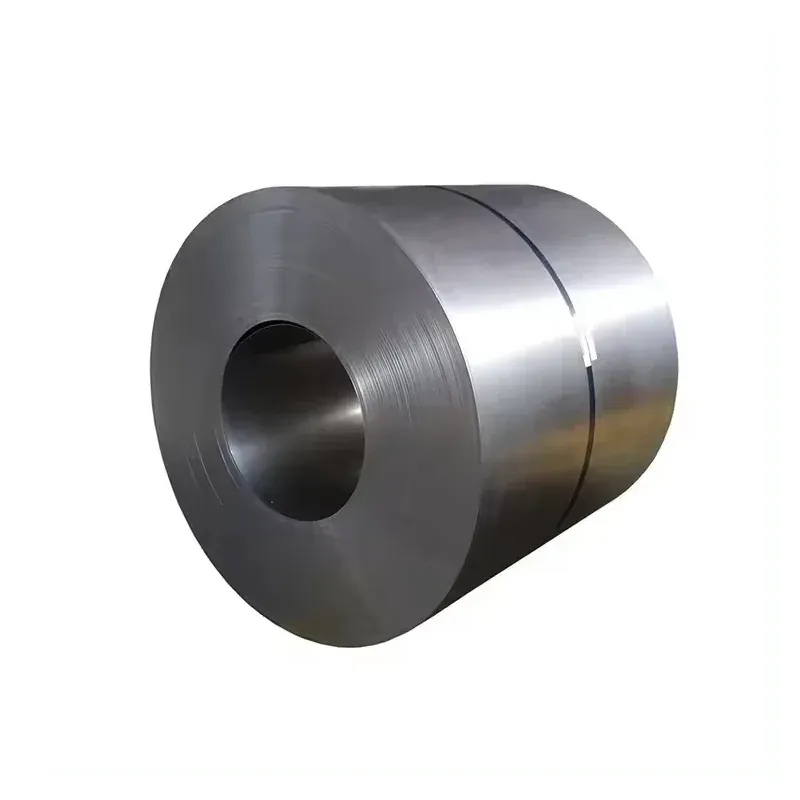
Cold rolled steel coil is bought on five numbers: grade, thickness, width, surface finish and coil size - and the tolerance behind the thickness is often what separates two quotations for the same "0.5 mm coil". This guide explains how cold rolled steel coil is made, which grades cover which forming operation, what each specification line changes, and what to send with an inquiry so the price you get back is comparable.
What Is Cold Rolled Steel Coil?
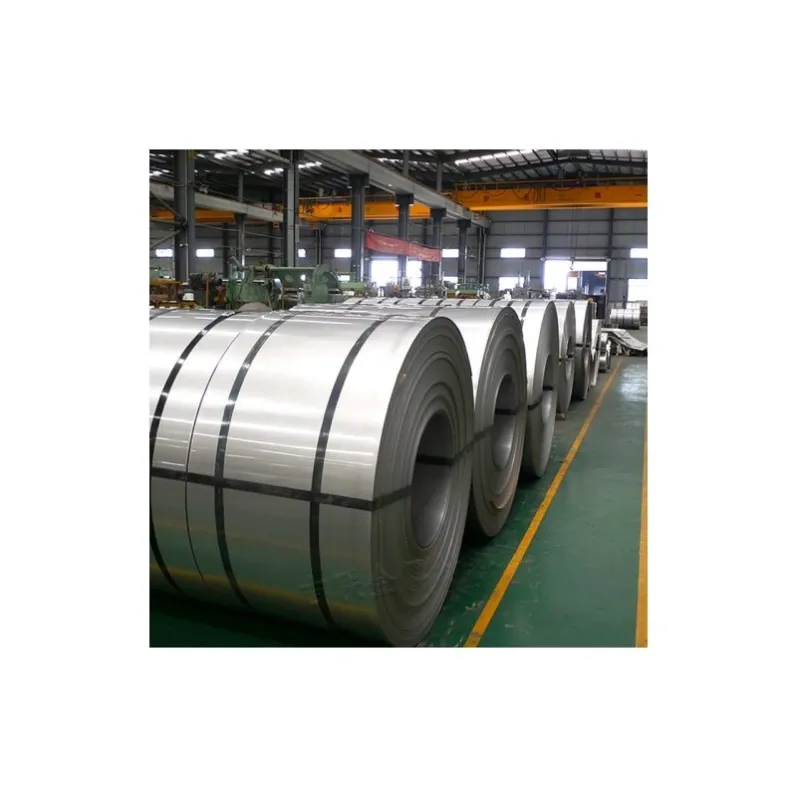
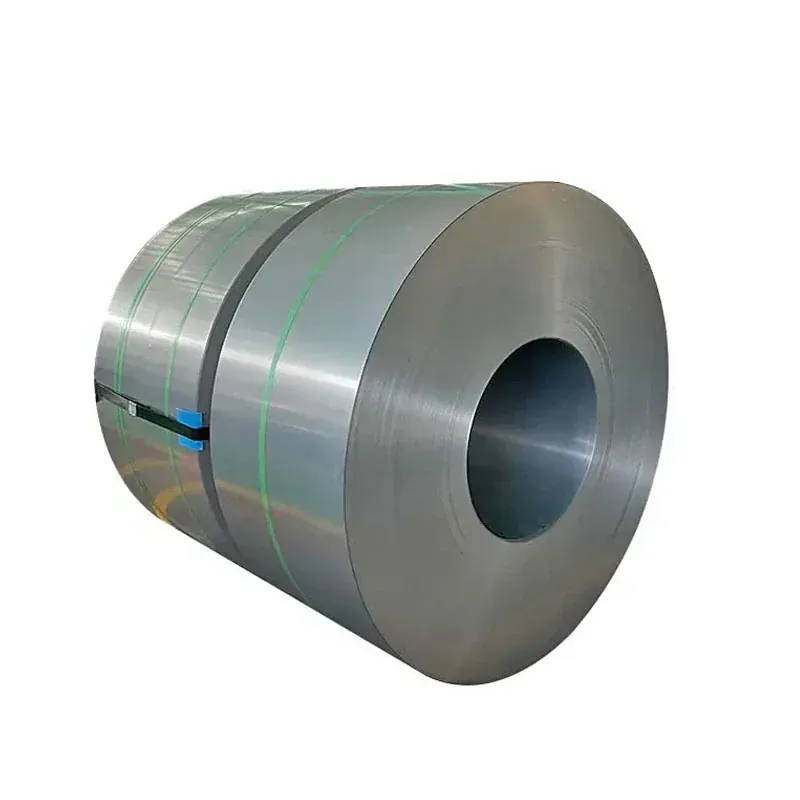
Cold rolled steel coil (also written cold rolled coil, CRC or cold rolled carbon steel coil) starts as hot rolled coil that is pickled, cold reduced, annealed and skin passed. Each step has a purpose:
- Pickling removes the oxide scale left by hot rolling.
- Cold reduction rolls the strip thinner at room temperature, which is what produces the tighter thickness tolerance and the smoother surface.
- Annealing softens the work-hardened strip so it can be formed.
- Skin passing, or temper rolling, sets the final surface and flatness.
The result is a coil with a clean surface, consistent thickness and predictable formability. That is why cold rolled steel coil is used for visible parts and for parts that are stamped or drawn, where hot rolled coil would show scale and thickness variation.
Cold Rolled Steel Coil Grades
Grade | Typical use | What it gives you |
|---|---|---|
SPCC | General purpose, appliance housings, furniture | Commercial quality, the most widely ordered cold rolled grade |
SPCD | Stamping and bending parts | Higher elongation than SPCC for moderate forming |
SPCE | Deep drawn parts | Best formability of the SPCC family |
DC01 - DC07 | Cold forming under EN 10130 | European grade family, DC01 to DC07 by drawing depth |
ST12 - ST15 | General and deep drawing | Common in JIS-based markets |
A practical way to choose: if the part is bent or lightly stamped, SPCC cold rolled steel coil is normally enough. If it is drawn, move up to SPCD cold rolled steel coil, SPCE cold rolled steel coil or the DC01-DC07 cold rolled steel coil range. Ordering one grade lower and losing parts to cracking costs more than the grade difference.
Cold Rolled Steel Coil Specifications
Item | Common range |
|---|---|
Thickness | 0.15 mm - 3.0 mm (0.3 / 0.5 / 0.8 / 1.0 / 1.2 / 1.5 mm are the most ordered) |
Width | 600 mm - 1500 mm, slitting to narrow widths available |
Inner diameter | 508 mm or 610 mm |
Coil weight | 3 t - 20 t |
Surface | Bright annealed (BA), matte, oiled or unoiled |
Reference standards | GB/T 708, EN 10130, JIS G3141 |
Thickness Tolerance Is Part of the Specification
A 0.5 mm cold rolled steel coil at a loose tolerance and one at a tight tolerance are not interchangeable on a progressive die. The loose coil is cheaper to make, and the difference shows up as scrap on the press line. If your process is sensitive to thickness, state the tolerance class, not only the nominal thickness.
Which Thickness to Order
- 0.3 - 0.5 mm: appliance panels, light enclosures, signage and packaging parts
- 0.5 - 1.0 mm: general stamping, housings, furniture and electrical boxes
- 1.0 - 2.0 mm: structural brackets, tube making and heavier formed parts
- 2.0 - 3.0 mm: applications that still need cold rolled surface quality
Surface Finish and Coil Form
Cold rolled steel coil is normally supplied bright annealed (BA) for visible parts, or matte where paint or coating adhesion matters. Coil is also supplied oiled or unoiled: oil protects the surface in transit and storage, and it has to be removed before painting, so confirm which one your line needs. Width can be supplied full or slit to line width, and the inner diameter of 508 mm or 610 mm has to match your decoiler.
What Cold Rolled Steel Coil Is Used For
- Appliance and home electronics panels, back plates and housings
- Metal furniture, shelving and filing cabinets
- Automotive brackets, panels and interior parts
- Electrical enclosures, cable trays and control boxes
- Stamping, bending and deep drawn parts
- Welded tube and pipe making
Cold Rolled Steel Coil as a Substrate
A large share of cold rolled steel coil is never used bare. It is the substrate for galvanized coil, galvalume coil and color coated coil (PPGI / PPGL), and for the tube and pipe industry. If you buy galvanized steel coil or color coated steel coil for roofing and wall cladding, the substrate grade and thickness are part of what you are buying. Buyers who also need the finished tube usually order galvanized steel pipe in the same programme.
Common Mistakes When Buying Cold Rolled Steel Coil
- Comparing price without comparing tolerance. This is the biggest hidden difference between two coil quotations.
- Using SPCC for a deep drawn part. Choose the grade from the forming operation, not from the price list.
- Forgetting the coil inner diameter. 508 mm and 610 mm are not interchangeable on every decoiler.
- Leaving the surface finish open. Bright annealed, matte, oiled and unoiled are four different products.
- Ordering full width when the line needs slit coil. Slitting is planned at the mill, not at the press.
FAQ
What is the difference between cold rolled and hot rolled steel coil?
Hot rolled coil is rolled above the recrystallization temperature and cooled, so it is cheaper, generally thicker and carries a scaled surface. Cold rolled steel coil is cold reduced after pickling, then annealed and skin passed, giving a cleaner surface, tighter tolerance and better formability at a higher price.
What is SPCC cold rolled steel coil used for?
SPCC is commercial quality cold rolled coil. It is used for appliance housings, furniture, electrical boxes, shelving and general stamped and bent parts where no deep drawing is involved.
What thickness of cold rolled steel coil should I order?
Match the thickness to the part and the press: 0.3 - 0.5 mm for panels and light enclosures, 0.5 - 1.0 mm for general stamping and housings, and 1.0 - 2.0 mm for brackets and tube making. Do not add thickness for strength - it adds weight and cost before it adds anything the design needs.
Why is cold rolled steel coil more expensive than hot rolled coil?
Cold rolled coil carries the extra cost of pickling, cold reduction, annealing and skin passing, plus tighter surface and tolerance control. That processing is what buys the smoother surface and the closer tolerance, so the two products are not competing on the same specification.
What is the difference between SPCC, SPCD and SPCE?
They are the same commercial family at different drawing levels: SPCC for general use, SPCD for moderate stamping, and SPCE for the deepest drawing. As the forming gets deeper, the elongation requirement rises and so does the price.
Related Guides
Request a Price for Cold Rolled Steel Coil
Send the grade, thickness and tolerance class, width or slit widths, coil weight, inner diameter, surface finish and quantity in tons. Browse our cold rolled carbon steel coil, SPCC, SPCD, SPCE, DC01-DC07 and ST12-ST15 cold rolled steel coil product pages, or send your specification for a quotation.